

Best Supplements for Menopause Weight Gain
Learn which best supplements for menopause weight gain may support energy, appetite, bone health, and a steady routine alongside healthy meals and movement.

Feeling tired, achy, or like you catch every cold going around can make you wonder whether a vitamin is missing from your routine. Vitamin D 5000 IU benefits may be meaningful for adults who are truly low in vitamin D, especially when a clinician recommends this higher-strength dose based on symptoms, risk factors, or blood work.
Vitamin D is often called the sunshine vitamin because your skin can make it after sun exposure. But many adults do not make enough year-round. Indoor schedules, sunscreen, darker skin, higher body weight, aging, and living in areas with less winter sunlight can all affect vitamin D production. Food helps, but it is difficult for most people to get enough from food alone.
The key point: 5,000 IU is not automatically the right daily dose for everybody. It can be useful in the right situation, but a smart routine starts with understanding what vitamin D does and whether you need extra support.
Vitamin D helps your body absorb calcium and phosphorus, two minerals your bones need to stay strong. Without enough vitamin D, the calcium in your diet cannot do its job as well. Over time, low levels can contribute to soft or weak bones and raise the risk of falls and fractures, particularly as we get older.
Muscle function matters too. Vitamin D receptors are found in muscle tissue, and deficiency can show up as muscle weakness, aches, or a feeling that your legs simply do not have their usual power. Correcting a deficiency may support better physical function, especially alongside regular movement, protein-rich meals, and strength training that fits your body.
Vitamin D also supports normal immune function. It does not make anyone immune to illness, and it is not a replacement for sleep, medical care, or recommended vaccines. Still, a healthy vitamin D level helps immune cells do their everyday work. For adults who are often run down, improving a confirmed deficiency is one sensible part of a stronger wellness routine.
There is also a connection between vitamin D and mood, though it deserves a careful explanation. Low vitamin D levels are common in people dealing with low mood, particularly during months with limited sunlight. Taking vitamin D can correct a deficiency, but it should not be treated as a stand-alone treatment for depression, anxiety, or ongoing emotional distress. Those concerns deserve real support from a qualified health professional.
A 5,000 IU supplement provides a higher amount than many standard daily multivitamins. For comparison, the recommended daily amount for most adults is generally 600 to 800 IU, depending on age. The tolerable upper intake level for adults is commonly listed as 4,000 IU per day from all sources unless a clinician advises otherwise.
So why would someone take 5,000 IU? A medical professional may recommend a higher dose for a limited period or an individualized regimen when blood work shows deficiency. Some people also have factors that make low vitamin D more likely, including obesity, conditions that affect fat absorption, certain medications, or a history of bariatric surgery. Vitamin D is fat-soluble, meaning the body stores it. More is not always better.
The clearest answer comes from a 25-hydroxy vitamin D blood test. That test takes the guessing out of your routine and gives your clinician a starting point for deciding whether 5,000 IU, a lower maintenance amount, or another plan makes sense.
You may want to ask about testing if you spend little time in the sun, cover your skin for work or cultural reasons, have darker skin, are over age 50, or carry excess body weight. Melanin naturally reduces how much vitamin D the skin produces from sunlight. This is not a problem with one group of people or another. It is simply one practical reason that testing can be especially useful for many Black adults.
Adults managing digestive conditions such as celiac disease, Crohn’s disease, ulcerative colitis, or chronic pancreatic issues should also discuss vitamin D with their care team. These conditions can reduce nutrient absorption. The same goes for people with kidney or liver disease, since these organs help convert vitamin D into forms the body can use.
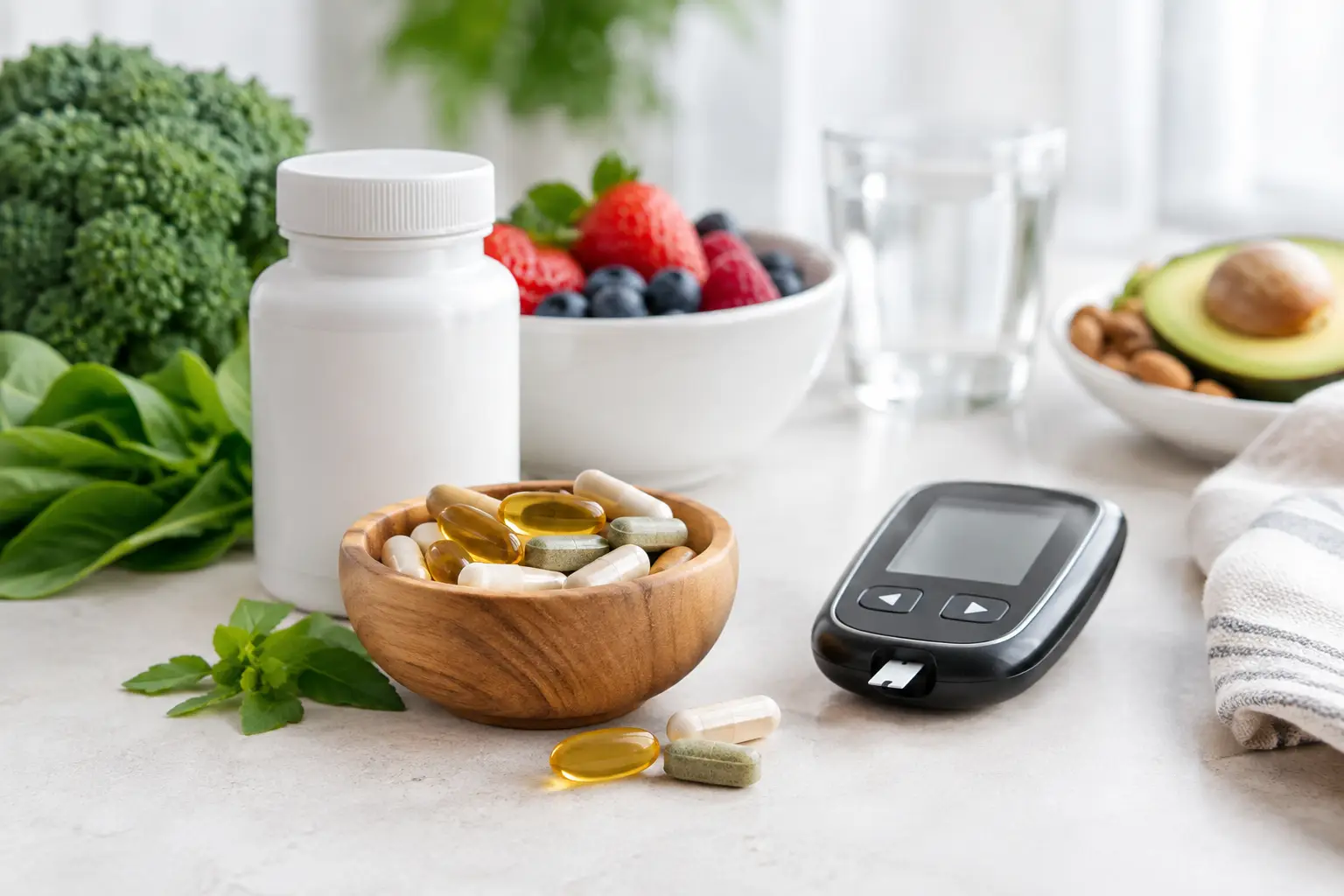
If you have diabetes or prediabetes, vitamin D can be part of a foundation that includes balanced meals, daily activity, sleep, and prescribed treatment. It is not a replacement for blood sugar medication, glucose monitoring, or regular medical visits. The goal is a healthier whole routine, not one bottle carrying the entire load.
Vitamin D3 is the form commonly used in supplements and is often chosen to raise and maintain vitamin D levels. Since it is fat-soluble, take it with a meal or snack that contains some healthy fat, such as eggs, yogurt, avocado, nuts, or fish. That simple habit may help your body absorb it better than taking it on an empty stomach.
Consistency matters more than complicated timing. Pick a meal you rarely skip, then build the supplement into that moment. For some people, breakfast is easiest. Others prefer dinner. If vitamin D seems to affect your sleep when taken late, move it earlier in the day and see how you feel.
A supplement can support your routine, but it works best beside the basics: regular movement, enough protein, colorful produce, hydration, and sleep. For bone health in particular, calcium intake and resistance exercise deserve attention too. A daily walk is valuable, but adding safe strength work can give your bones and muscles another reason to stay strong.
Lipodrops Vitamin D 5000 IU can fit into a simple daily routine for adults whose healthcare professional has recommended this level of support. Keep your supplement list in one place and bring it to appointments so your care team can see the full picture.
Taking high amounts of vitamin D for long periods without supervision can cause vitamin D toxicity. This is uncommon, but it can happen, usually from over-supplementing rather than sunlight. Excess vitamin D can raise calcium levels in the blood and may lead to nausea, constipation, weakness, confusion, excessive thirst, frequent urination, or kidney stones.
Do not stack products without checking labels. A multivitamin, a bone formula, a liquid vitamin, and a standalone D3 capsule can quietly add up to more than you intended. If you are taking 5,000 IU daily, include all sources when you calculate your total.
Talk with your clinician before using a higher-dose vitamin D routine if you have kidney disease, high calcium levels, sarcoidosis, a history of kidney stones, or parathyroid problems. It is also wise to ask if you take a thiazide diuretic, digoxin, steroids, certain seizure medications, or prescription weight-loss treatments. Medication and supplement decisions should work together, not compete with each other.
The goal is not to take the biggest dose on the shelf. The goal is to reach and maintain a healthy vitamin D level safely. Some adults may need 5,000 IU for a time, while others may do well with much less after their level improves. Retesting, when your clinician recommends it, helps guide that next step.
If you have been pushing through fatigue, bone discomfort, muscle weakness, or frequent sickness, do not brush it off as simply getting older. Ask for the information that can guide your next move. A vitamin D test and a practical conversation with your healthcare professional can turn a confusing symptom into a clear, personal wellness plan.
Learn which best supplements for menopause weight gain may support energy, appetite, bone health, and a steady routine alongside healthy meals and movement.
Learn which supplements for prediabetes support may help blood sugar habits, what to avoid, and why food, movement, and medical care still lead the way.

Keto supplements for beginners can support hydration, energy, and digestion. Learn what matters, what to skip, and how to start with confidence daily.