
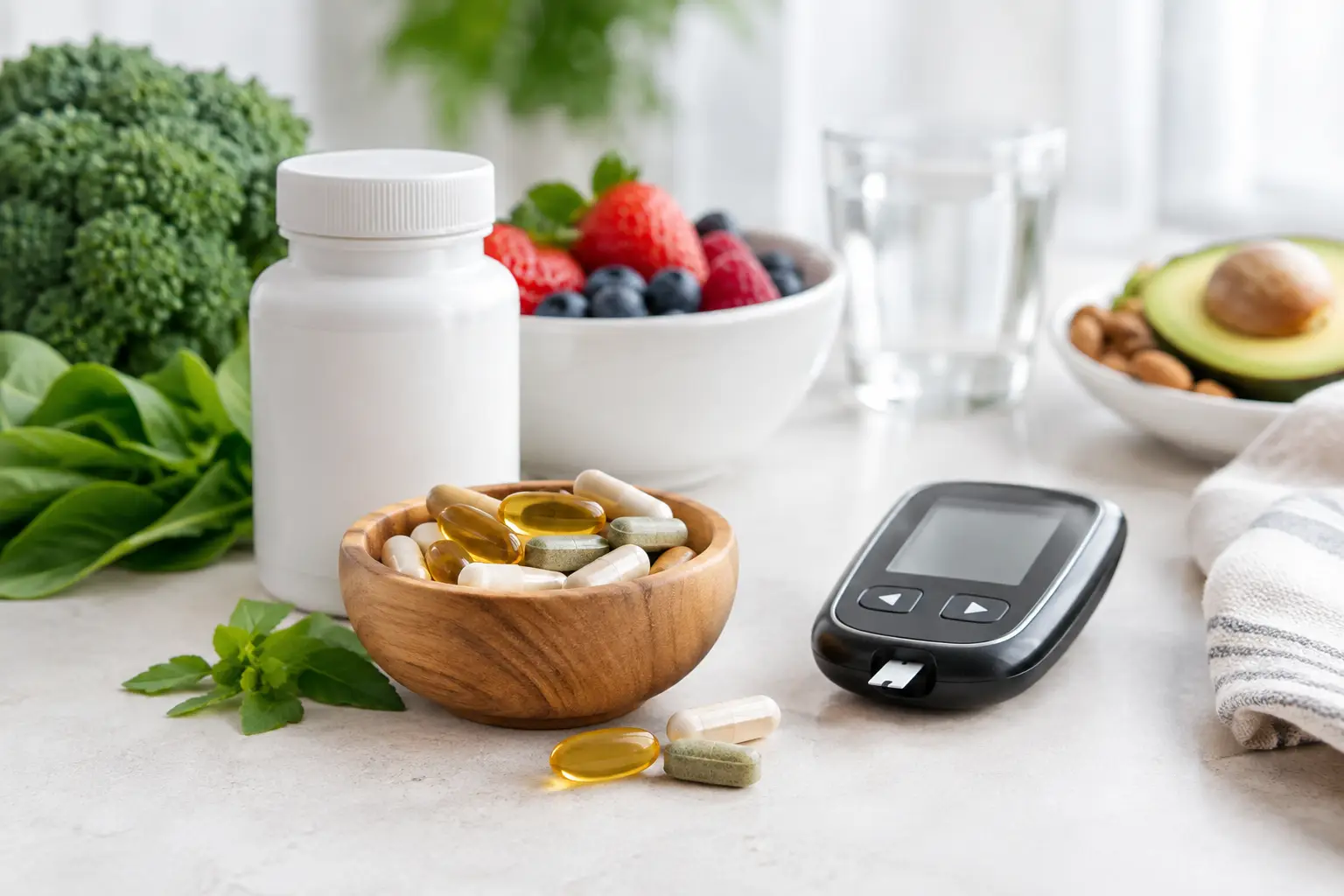
Do Supplements for Prediabetes Support Help?
Learn which supplements for prediabetes support may help blood sugar habits, what to avoid, and why food, movement, and medical care still lead the way.

That weight showing up around your middle is not always about eating more or trying less. During menopause, changing estrogen levels can affect where your body stores fat, how well you sleep, your appetite, muscle mass, and even the energy you have for a walk after work. The best supplements for menopause weight gain are not magic pills, but the right ones can help support the habits that make a real difference.
Many women notice that the old routine stops working in their 40s and 50s. You may be eating similar meals, yet your jeans fit differently. You may wake up tired, crave sweets in the afternoon, or feel bloated and uncomfortable. That frustration is real. The goal is not to punish your body. It is to support it through a season of change with a simple, consistent plan.
Estrogen does more than support reproductive health. It also plays a role in body-fat distribution, blood sugar response, bone health, and muscle maintenance. As estrogen declines, many women tend to carry more weight in the abdominal area. Less muscle from aging and inactivity can also lower the number of calories your body uses at rest.
Sleep is another major piece of the puzzle. Hot flashes, night sweats, stress, and waking frequently can leave you exhausted. When sleep suffers, hunger and fullness signals can feel harder to manage. That is when late-night snacking or reaching for quick carbs can become a regular pattern.
Supplements cannot replace a balanced plate, strength training, sleep, or medical care. Still, they can fill common nutritional gaps and support the systems that influence energy, digestion, cravings, and healthy metabolism.
Vitamin D is one of the first nutrients worth discussing with your healthcare professional. It supports calcium absorption, bone strength, immune health, and normal muscle function. Those concerns become more meaningful after menopause, when bone loss can accelerate.
Vitamin D deficiency is common, especially for people who get limited sun exposure. Black women may be at higher risk because melanin reduces the skin’s ability to make vitamin D from sunlight. A blood test can help determine whether you are low and what amount makes sense for you. More is not automatically better, particularly if you have kidney concerns or take certain medications.
Omega-3 fatty acids, found in fatty fish and fish oil, support heart health and may help support a healthy inflammatory response. This matters because menopause is a time to pay closer attention to cholesterol, blood pressure, and blood sugar patterns.
Fish oil is not a fat burner, and it will not target belly fat by itself. Think of it as part of a foundation that includes meals with protein, vegetables, fiber, and healthy fats. If you use blood-thinning medication or have surgery planned, check with your doctor before taking an omega-3 supplement.
Magnesium supports hundreds of processes in the body, including normal nerve and muscle function. Many women ask about it because it may be useful for relaxation, sleep quality, and regular bowel movements, depending on the form used.
Better sleep can make healthy choices feel more manageable the next day. Magnesium glycinate is often chosen for a gentler, calming routine, while magnesium citrate may be more likely to support bowel regularity. Too much can cause loose stools, and people with kidney disease should get medical guidance first.
Protein powder is not only for bodybuilders. During menopause, preserving muscle is one of the smartest moves you can make for your metabolism, mobility, and long-term independence. Muscle tissue uses more energy than fat tissue, so maintaining it supports healthy weight management.
A protein shake can be practical when breakfast is rushed or when your usual meals are low in protein. Look for a product with a reasonable amount of protein and minimal added sugar. Pairing protein with resistance training, even two or three days a week, is where the real payoff happens.
Constipation, bloating, and changes in digestion can make menopause weight concerns feel even worse. Soluble fiber can help you feel fuller after meals and support regularity. A fiber supplement may be helpful if you are not getting enough beans, vegetables, fruit, oats, and whole grains.
Probiotics may support digestive balance for some people, but the results vary by person and by product. They are not a cure for chronic bloating, severe constipation, or unexplained stomach pain. Start slowly with fiber or probiotics, drink enough water, and pay attention to how your body responds.
“Menopause weight loss” products often make big promises about melting fat, balancing hormones, or stopping cravings overnight. Be cautious with that language. Some blends contain stimulants that can worsen anxiety, raise heart rate, or make hot flashes and poor sleep more intense.
Herbal ingredients such as black cohosh, ashwagandha, berberine, and green tea extract may be useful in specific situations, but they are not right for everybody. They can interact with medications or be a concern for people with liver disease, thyroid conditions, diabetes, high blood pressure, or a history of hormone-sensitive cancer.
If you take medication for blood sugar, blood pressure, thyroid disease, depression, or blood thinning, bring your full supplement list to your clinician or pharmacist. “Natural” does not always mean risk-free. A good supplement routine should make life easier, not create confusion or unwanted side effects.
The best routine is usually the one you can repeat without feeling overwhelmed. Start by identifying the biggest challenge. If your issue is fatigue, ask about vitamin D, protein intake, iron status, and sleep. If you are struggling with constipation and bloating, focus first on hydration, fiber, movement, and digestive support. If cravings are running the show, prioritize protein at breakfast and regular meals instead of skipping food all day.
A simple day might include protein and fiber at breakfast, water throughout the day, a walk after one meal, and a consistent bedtime routine. Add supplements one at a time so you can tell what is helping. This approach is more useful than buying five new bottles at once.
At Lipodrops, Dr. M.J. Collier’s approach to wellness begins with practical education: understand what your body is asking for, then build a routine you can live with. That may include menopause-focused nutritional support, but it should also include food, movement, sleep, and regular checkups.
Do not assume every change is “just menopause.” Rapid weight gain, new swelling, severe fatigue, hair loss, heart palpitations, heavy bleeding, or ongoing digestive changes deserve medical attention. Thyroid disease, diabetes, medication effects, depression, sleep apnea, and other conditions can overlap with menopause symptoms.
Ask your clinician about checking blood pressure, blood sugar, cholesterol, thyroid function, and vitamin D when appropriate. Those answers can help you choose supplements based on your needs rather than marketing claims.
Menopause can change the rules, but it does not take away your ability to feel strong in your body. Start with one supportive habit, give it time, and let your routine be built around progress you can actually sustain.
Learn which supplements for prediabetes support may help blood sugar habits, what to avoid, and why food, movement, and medical care still lead the way.
Keto supplements for beginners can support hydration, energy, and digestion. Learn what matters, what to skip, and how to start with confidence daily.

Learn how omega 3 fish oil benefits may support your heart, brain, eyes, and joints, plus what to look for in a quality daily supplement routine at home.