

Best Supplements for Menopause Weight Gain
Learn which best supplements for menopause weight gain may support energy, appetite, bone health, and a steady routine alongside healthy meals and movement.

If you keep asking, “how do i get sick less often?” the answer is usually not one magic vitamin or one perfect meal. It is the routine you repeat when life gets busy. Frequent colds, sinus flare-ups, stomach bugs, and lingering fatigue can make you feel like your body is always trying to catch up. The good news is that your immune system responds to the basics – and small daily choices can add up.
For many adults, especially when work, family, weight concerns, diabetes, menopause, or poor sleep are already on the table, getting sick often is a sign that the body needs more consistent support. You do not have to overhaul your whole life by Monday. Start by giving your body what it needs to do its job.
Your immune system is not a switch you turn on when somebody near you starts sneezing. It is a network of cells, tissues, and organs that needs fuel, rest, and regular care all year long. Supplements can have a place in that plan, but they work best alongside the habits below.
Sleep is when your body does some of its most important repair work. When sleep is cut short night after night, your immune response can become less effective. You may also feel hungrier, crave more sugar, and have less energy to move your body – all of which can make healthy choices harder the next day.
Aim for seven to nine hours most nights. If that sounds unrealistic, begin with a steady bedtime and wake-up time. Put the phone down 30 minutes before bed, keep the room cool and dark, and avoid heavy meals or alcohol close to bedtime. If snoring, gasping, morning headaches, or daytime sleepiness are common for you, talk with your healthcare provider about sleep apnea. It is especially worth checking if you carry extra weight or have high blood pressure.
Weight loss matters for many people, but under-eating can leave you drained. Your body needs protein, vitamins, minerals, fiber, and healthy fats to maintain immune cells and recover from everyday stress.
Build meals around a protein source, such as eggs, fish, chicken, Greek yogurt, beans, or tofu. Add colorful vegetables and fruit when you can, because different colors bring different nutrients. Then include fiber-rich foods such as oats, beans, lentils, brown rice, sweet potatoes, or greens. These foods also help support the gut, where a large part of immune activity takes place.
You do not need expensive “superfoods.” A bowl of oatmeal with berries, eggs with sautéed greens, or baked chicken with sweet potatoes and broccoli can do more for your routine than a trendy cleanse ever will.
Your digestive system and immune system are closely connected. When your gut is regularly irritated by highly processed foods, too much alcohol, constipation, or unmanaged stress, you may notice bloating, irregular bathroom habits, and low energy along with more frequent illness.
Start with water and fiber. Many adults need more of both. Increase fiber slowly if you are not used to it, and drink enough water so your stools stay soft and regular. Yogurt with live cultures, kefir, fermented vegetables, and a quality probiotic may also support a healthy balance of gut bacteria for some people.
It depends on your health history. If you have inflammatory bowel disease, severe digestive symptoms, or are taking immune-suppressing medication, get personalized guidance before adding probiotics or making major diet changes.
Low levels of certain nutrients can make it harder for the immune system to function well. Vitamin D is a common concern, particularly for people with darker skin, people who spend much of the day indoors, and adults who live where winter sunlight is limited. Vitamin D is also relevant to bone health, mood, and muscle function.
Vitamin C, zinc, vitamin B12, iron, and omega-3 fats can matter too, but more is not always better. Taking high-dose supplements without a reason can cause side effects or interfere with medications. A simple blood test and conversation with your clinician can help identify what your body actually needs.
For people building an easy daily wellness routine, vitamin D, omega-3 fish oil, and probiotic support are common places to begin. Dr. Collier’s approach is simple: use supplements to fill real gaps, not to replace sleep, meals, or medical care.
Regular movement supports circulation, stress relief, blood sugar management, sleep, and immune health. You do not need an intense gym routine to benefit. A brisk 20- to 30-minute walk most days can make a meaningful difference.
If you have joint pain, start with chair exercises, water aerobics, gentle cycling, or short walks after meals. Those after-meal walks can be especially helpful for blood sugar. If you are returning to exercise after illness, surgery, or a long break, go easy. Pushing too hard when your body is already exhausted can backfire.
Stress is not only emotional. It is physical, too. Financial pressure, caregiving, grief, poor sleep, chronic pain, and trying to manage everyone else’s needs can all keep your body in a constant state of alert.
You may not be able to remove every stressor, but you can create small recovery moments. Take ten quiet minutes before the house wakes up. Call a friend who makes you laugh. Pray, journal, stretch, sit outside, or listen to music instead of scrolling through bad news at night. These are not luxury activities. They are part of giving your nervous system a chance to settle.
Some illness prevention is wonderfully basic. Wash your hands before eating and after being in public places. Avoid touching your face when you are out. Clean high-touch surfaces when someone in the house is sick, and do not share cups, utensils, or towels during an illness.
Stay current with vaccinations recommended for your age and health situation, including flu and COVID-19 vaccines if appropriate for you. Vaccines do not guarantee that you will never get sick, but they can lower the risk of severe disease and serious complications. If you have diabetes, heart disease, lung disease, kidney disease, or an autoimmune condition, prevention is even more important.
High blood sugar, uncontrolled blood pressure, obesity, low activity, and untreated hormone or sleep issues can all place extra strain on the body. This is one reason wellness cannot be separated from conditions like prediabetes and diabetes.
If your blood sugar is often high, your body may have a harder time fighting infection and healing well. Work with your healthcare provider on a plan that includes meals, movement, medication when needed, and regular monitoring. The same is true for asthma, allergies, thyroid conditions, and autoimmune diseases. Managing the underlying issue may be the real answer to why you keep getting sick.
A few colds a year can be normal, especially if you spend time around children or work with the public. But repeated infections deserve attention when they are severe, last longer than expected, keep coming back, or leave you unusually weak.
Make an appointment if you have frequent fevers, recurring pneumonia or sinus infections, unexplained weight loss, night sweats, ongoing diarrhea, wounds that heal slowly, or fatigue that does not improve with rest. Ask about checking blood sugar, vitamin D, iron, B12, thyroid function, and other concerns based on your symptoms. Your clinician may also review your medications, since some can affect immune function.
The goal is not to panic over every sniffle. It is to notice patterns and give your body a fair chance to stay well.
Start with one habit this week: a consistent bedtime, a daily walk, more water, or a protein-and-produce breakfast. Then build from there. Feeling better is rarely about doing everything perfectly. It is about showing up for your health often enough that your body starts to feel the difference.
Learn which best supplements for menopause weight gain may support energy, appetite, bone health, and a steady routine alongside healthy meals and movement.
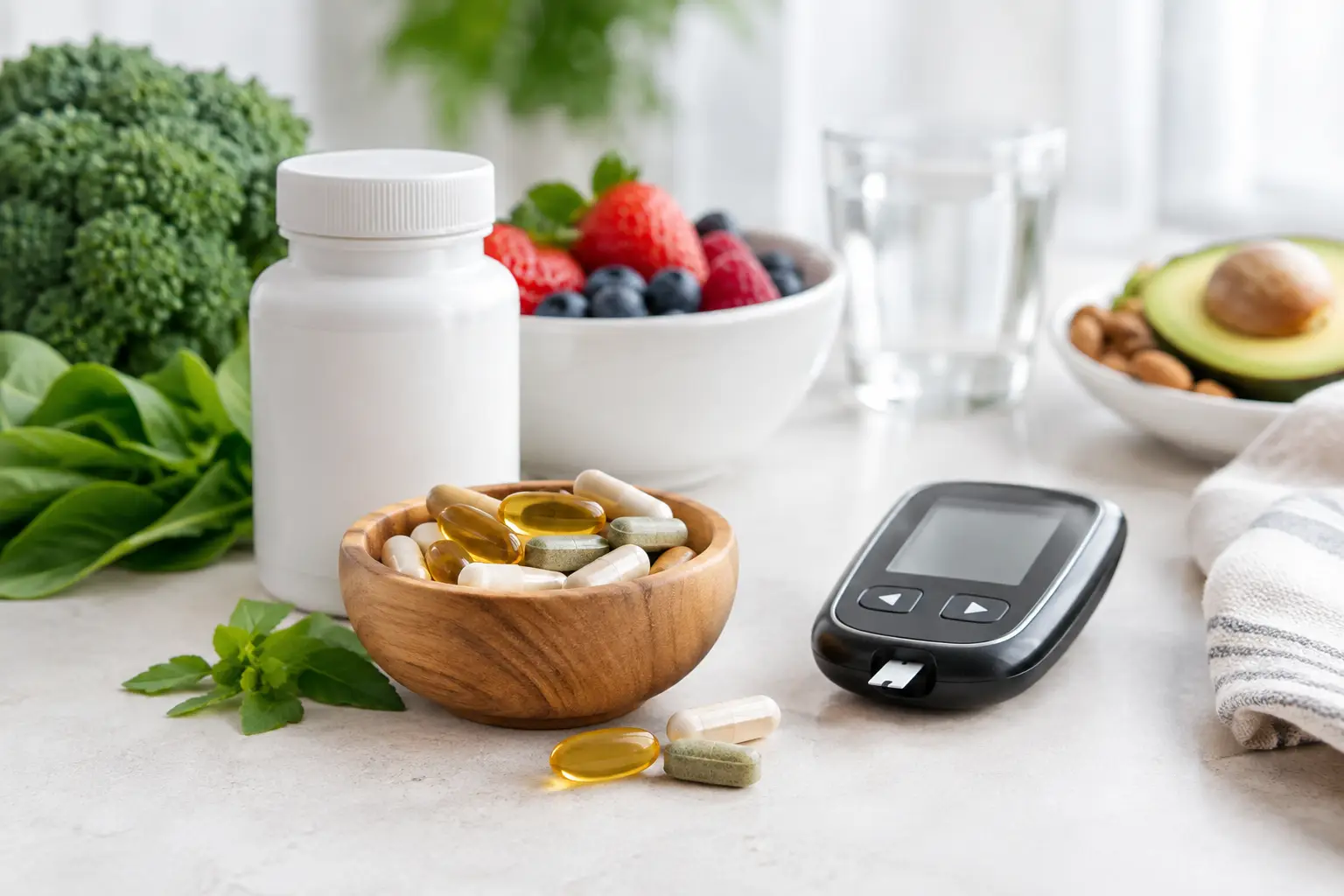
Learn which supplements for prediabetes support may help blood sugar habits, what to avoid, and why food, movement, and medical care still lead the way.
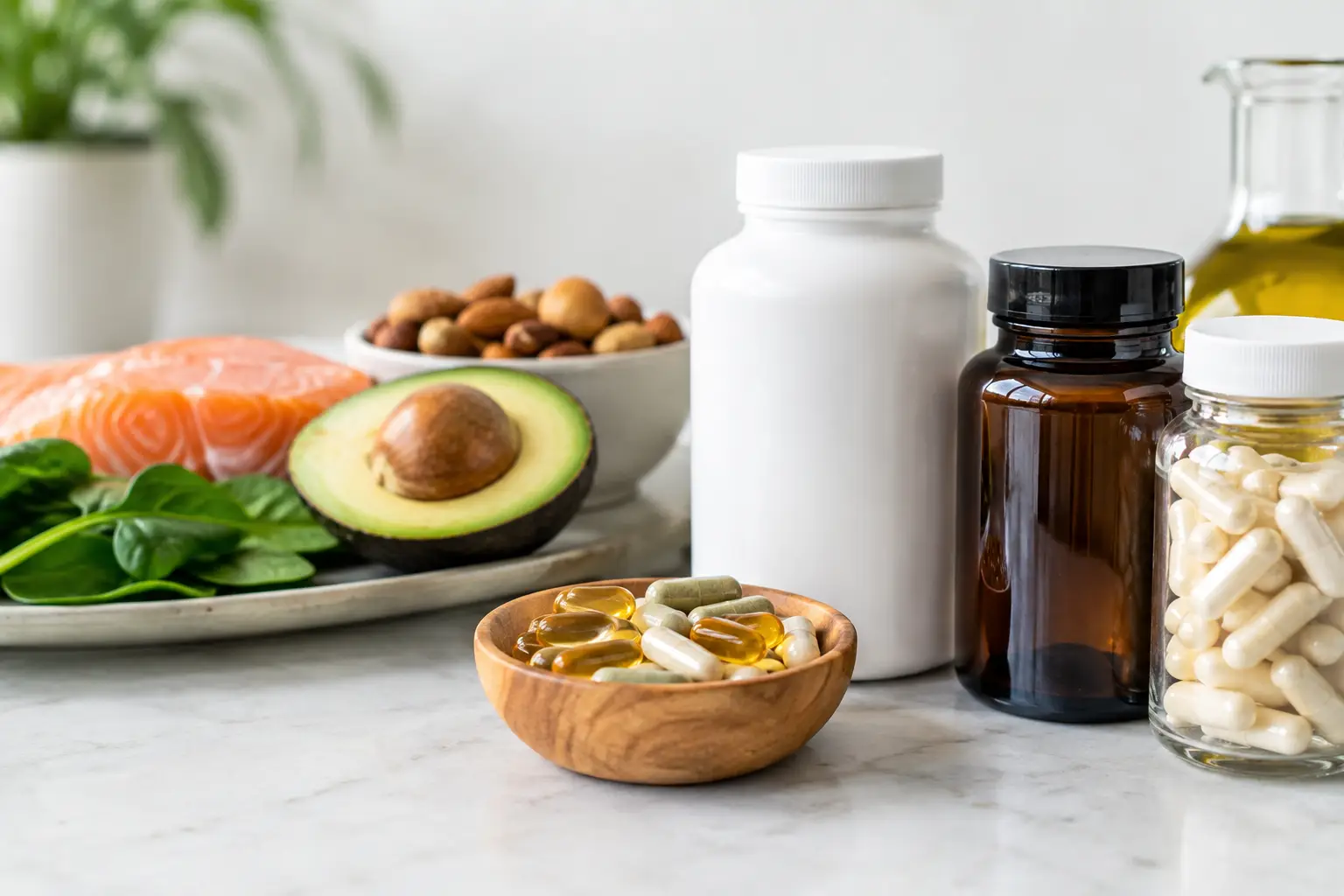
Keto supplements for beginners can support hydration, energy, and digestion. Learn what matters, what to skip, and how to start with confidence daily.