

Low Testosterone or Just Tired? Know the Signs
Low testosterone or just tired? Learn the signs, common causes of fatigue, and when a blood test and medical visit can bring clear answers for men.
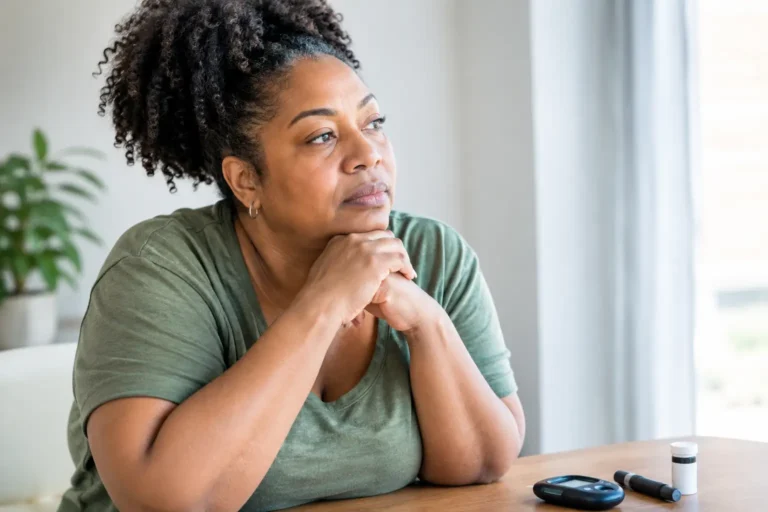
A diabetes diagnosis can feel personal, especially when it seems to show up in family after family. But when people ask, “Why is diabetes common in the Black community?” the honest answer is bigger than willpower, one meal, or one person’s choices. Diabetes risk is shaped by family history, access to care, chronic stress, neighborhood conditions, income, food options, sleep, and the health information people have been given over a lifetime.
For many Black adults, this is also a conversation about taking back control early. Type 2 diabetes can often be delayed, prevented, or better managed with steady daily habits and medical support. The goal is not guilt. The goal is knowing your risk and having a plan that works in real life.
Black Americans are more likely to be diagnosed with diabetes and more likely to experience serious complications such as kidney disease, vision loss, nerve damage, and amputations. That difference does not mean Black bodies are destined for diabetes. It reflects an uneven playing field that has existed for generations.
Genetics can play a role in how the body handles blood sugar, stores fat, or responds to insulin. If a parent, sibling, or grandparent has type 2 diabetes, your own risk may be higher. Still, genes are only one part of the story. A family history can also include shared food traditions, limited access to preventive care, demanding work schedules, and years of living with stress.
Many communities have plenty of fast-food restaurants and convenience stores but fewer full grocery stores with affordable fresh produce, lean proteins, and lower-sugar options. When the closest quick meal is fried, oversized, and inexpensive, that is not simply a matter of “bad choices.” It is a matter of what is available after a long day.
Traditional Black foods are often blamed too quickly. Greens, beans, sweet potatoes, fish, okra, and many home-cooked meals can absolutely fit a blood-sugar-friendly routine. The issue is more often frequent added sugars, large portions of refined starches, heavily processed foods, and cooking methods that add excess calories or sodium. You do not have to abandon your culture or favorite meals. Small adjustments can matter: bake instead of fry more often, add non-starchy vegetables, reduce sweet drinks, and make starches one part of the plate rather than the whole plate.
Chronic stress is not just a feeling. It affects the body. Stress hormones can raise blood sugar, increase cravings, disrupt sleep, and make it harder to stay active. Financial strain, caregiving, workplace pressure, discrimination, grief, and concern about family health can all create a level of stress that does not switch off at the end of the day.
That does not mean stress causes diabetes by itself. It means stress can make insulin resistance and weight gain more likely, especially when it is paired with poor sleep, limited time for meals, or little opportunity to exercise. A practical health plan has to respect that reality. Telling somebody to “just relax” is not a plan. Building a manageable walking routine, protecting sleep, asking for support, and keeping regular medical appointments are more useful steps.
Prediabetes usually has no clear symptoms. A person may feel fine while blood sugar is slowly rising for years. If routine checkups are hard to schedule, too expensive, or have involved dismissive treatment in the past, diabetes may not be found until it is more advanced.
Trust matters in health care. People deserve a clinician who listens, explains results clearly, and takes concerns seriously. A respectful provider can help you understand your A1C, blood pressure, cholesterol, medications, and realistic next moves without talking down to you. Early testing is one of the strongest tools available because it gives you information before a crisis forces the issue.
Weight around the midsection, low physical activity, high blood pressure, sleep apnea, a history of gestational diabetes, and certain medicines can raise the risk of type 2 diabetes. But risk factors are not character flaws. They are signals to pay attention to your health.
It also helps to remember that body weight is not the only measure of metabolic health. Someone can be in a smaller body and have prediabetes, while another person in a larger body may have normal blood sugar. Lab work, family history, waist size, blood pressure, sleep, and daily habits all provide a fuller picture. This is why regular screening matters more than guessing based on appearance.
Possible symptoms of high blood sugar include increased thirst, frequent urination, blurry vision, fatigue, recurring infections, slow-healing cuts, numbness or tingling in the feet, and unexplained weight loss. Some people have several symptoms. Others have none at all.
If you have these symptoms, a close relative with diabetes, or a history of prediabetes, ask your clinician about testing. An A1C blood test shows your average blood sugar over roughly the past two to three months. Your clinician may also check fasting glucose or use another test based on your health history. If you already have diabetes, sudden confusion, vomiting, severe weakness, chest pain, or trouble breathing needs urgent medical attention.
The most effective routine is usually the one you can repeat. You do not need a perfect diet, a punishing workout, or an expensive wellness plan to begin supporting healthier blood sugar. Start with one or two changes and build from there.
A lower-carbohydrate approach helps some people, while others do better with balanced portions and consistent meals. It depends on your medications, kidney health, budget, food preferences, and medical history. If you take insulin or medicines that can lower blood sugar, do not make major changes to eating patterns without talking with your prescriber. Blood sugar can fall too low when medication and food intake are not matched.
Supplements may be part of a broader wellness routine, but they are not a replacement for diabetes medication, blood sugar monitoring, nutrition changes, or professional care. Be careful with products that promise to cure diabetes or let you stop medication overnight. Those promises can be dangerous. Dr. M.J. Collier’s practical message is the right one: use clear information, stay consistent, and work with your health care team instead of chasing quick fixes.
Because diabetes often runs through families, prevention works better when it becomes a shared conversation. Ask relatives whether anyone has prediabetes, type 2 diabetes, kidney disease, high blood pressure, or gestational diabetes. Encourage each other to get screened. Cook one healthier meal together each week. Make a family walk part of the routine after Sunday dinner or during a phone call.
No one has to earn the right to better health by being perfect first. If diabetes is common in your family or community, let that be a reason to check in early, ask good questions, and take one steady step today. Your next A1C, your next meal, and your next walk can all be part of a different direction.
Low testosterone or just tired? Learn the signs, common causes of fatigue, and when a blood test and medical visit can bring clear answers for men.

Natural sublingual weight loss drops may support a consistent routine. Learn what to look for, how to use them wisely, and what realistic results involve.

Wondering how do i get sick less often? Build a practical immune-support routine with food, sleep, movement, stress care, and smart medical checkups, too.